
What Is a Recovery Worker, and Why Are They Essential in the Homeless & Housing Community?
At Nurseplus, we’re redefining care with heart and innovation, because everyone deserves the opportunity to rebuild their life. Homelessness is often misunderstood as simply the lack of a roof over your head, but the reality is things are far more complex. Mental health challenges, trauma, substance misuse, social exclusion, and long-term instability are all instrumental when it comes to housing insecurity. Because of all these factors, addressing homelessness requires more than accommodation alone, it relies on people who are willing to walk alongside others on their journey to recovery.
And this is where Recovery Workers can play a truly transformative role.
Understanding Homelessness: More Than a Housing Issue

Research from organisations such as Crisis, Shelter, and Mind consistently highlights that people in the throws of homelessness are more likely to face mental ill health, addiction, and the long-term effects of trauma. Adverse childhood experiences, relationship breakdowns, institutional care, or cycles of poverty can all make independence feel unattainable.
Without tailored, compassionate support, people become trapped in a revolving door of crisis services, temporary housing, and relapse. It's the job of a Recovery Worker to interrupt this cycle by offering consistent, person-centred support that focuses not just on survival, but on stability, dignity, and long-term independence.
The Role of a Recovery Worker

As a Recovery Worker, you are a pivotal figure in the support system for people experiencing homelessness. Recovery workers do far more than provide practical assistance, they offer trust, continuity, and hope. Through each shift and interaction there's an opportunity to restore dignity, build confidence, and empower people to regain control over their lives.
In practice, Recovery Workers can support people across a wide range of environments, including street outreach, supported accommodation, hostels, and community-based recovery projects. Their day-to-day work is shaped around the person they are working with, recognising that recovery is not linear and that progress can happen at different paces.
Daily responsibilities may include:
Building trusting relationships with people who may be suspicious of services
Supporting people affected by substance misuse, mental health challenges, or dual diagnoses
Encouraging engagement with healthcare, housing services, and community resources
Helping people develop life skills, routines, and coping strategies
Promoting choice, independence, and personal responsibility in a non-judgemental way
Above all, a Recovery Worker will meet people where they are, offering consistent support without pressure or expectation.
Why Recovery Workers Matter

For many people experiencing homelessness, Recovery Workers are the first stable presence they’ll have had in years. They act as a vital bridge between individuals and essential services such as housing providers, GPs, mental health teams, and employment or education pathways.
By focusing on strengths rather than weaknesses, Recovery Workers help people find their potential and rebuild self-belief. This approach is widely recognised across the care and social support sector as one of the most effective ways to promote long-term recovery and reduce repeat homelessness.
With the right support, people are better equipped to make positive choices, manage their health, maintain accommodation, and reconnect with their communities. In doing so, Recovery Workers don’t just change individual lives, they contribute to healthier, safer, and more inclusive communities.
The Skills That Make a Great Recovery Worker

While experience in a care or support role is valuable, the most important qualities of a Recovery Worker are simple human ones. Successful Recovery Workers consistently demonstrate skills such as:
Empathy and compassion, especially in complex or challenging situations
Strong communication and listening skills
Emotional resilience and patience
The ability to build trust and maintain professional boundaries
A commitment to equality, dignity, and person-centred care
Flexibility and adaptability in fast-changing environments
Training and development are essential, but it’s the ability to genuinely care and connect that makes the biggest difference.
Join the Nurseplus Team
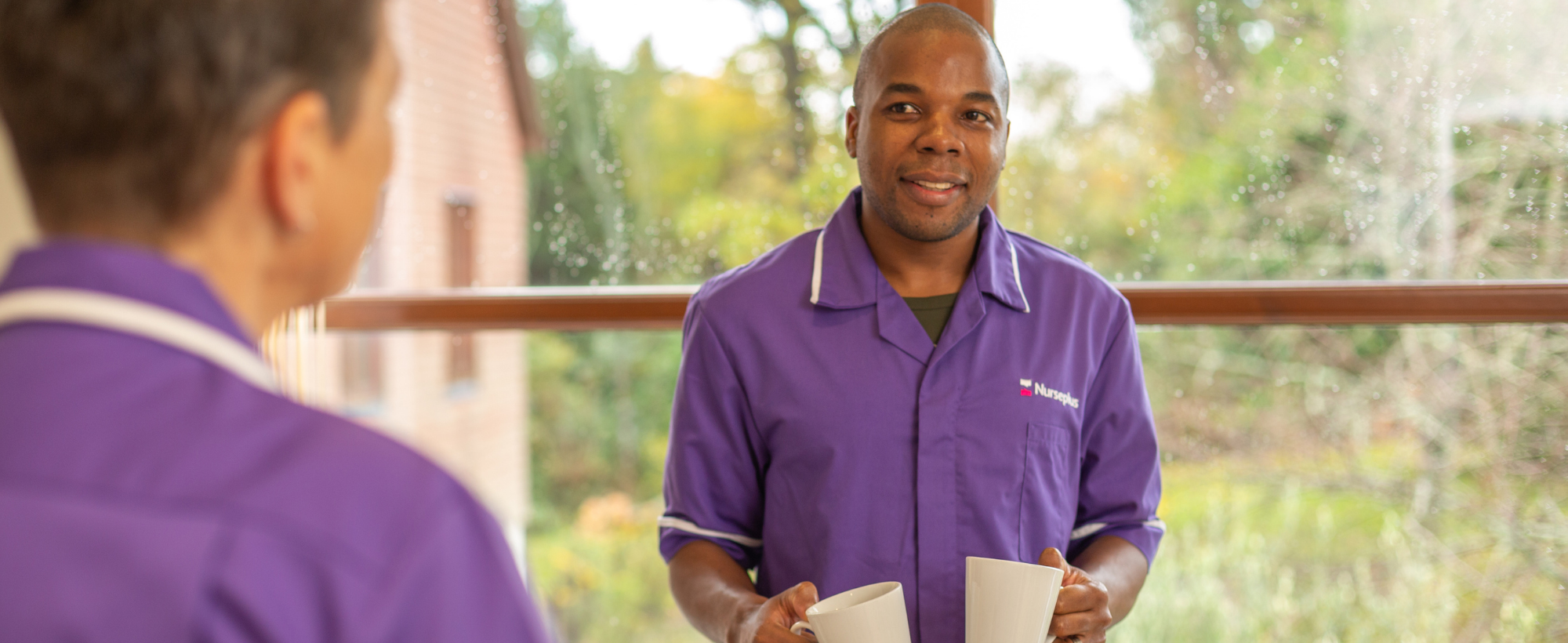
At Nurseplus, we believe that supporting our staff is just as important as supporting our clients. When you join us as a Recovery Worker, you become part of a team that values your wellbeing, development, and ambition.
Here’s what you can expect:
Flexible Hours: Choose shifts that fit around your lifestyle, including days, nights, and weekends
Competitive Pay: Earn between £12.71 and £15.00 per hour, with enhanced rates on bank holidays
High-Quality Training: Industry-leading training aligned with the Care Certificate
Career Progression: Access in-house courses and funded NVQ Levels 2 and 3
Blue Light Card: Discounts at thousands of retailers nationwide
To be a successful Recovery Worker you don’t need to be qualified, or experienced – you just need to care. We’ll be looking for people like you who are compassionate and reliable with the right to work in the UK. If you can bring empathy, strong communication skills, and a genuine desire to support people who feel forgotten by society, we want to hear from you. Experience is welcomed, but your values and commitment matter most.
At Nurseplus, our mission is simple: to change lives every day through high-quality, person-centred support. By joining us as a Recovery Worker, you can be part of something bigger – helping people move from survival to stability, and from crisis to independence. Together, we can help rebuild lives, one person at a time.
Posted on February 04, 2026 by Nurseplus